


 |
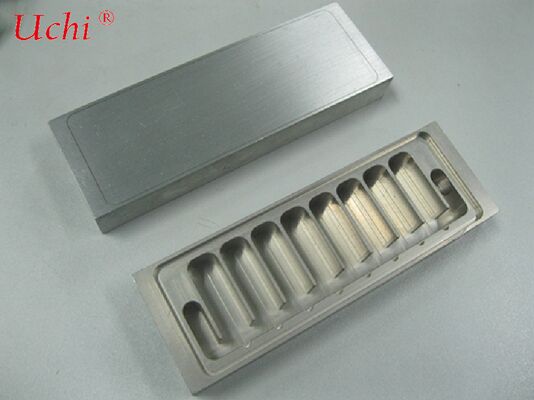
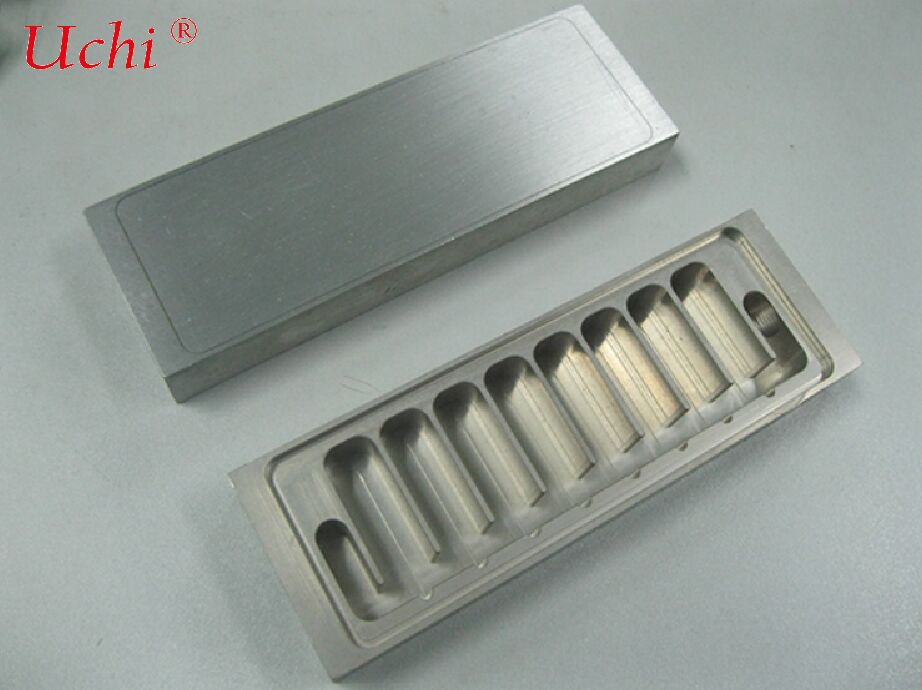
Eine gelötete Flüssigkühlplatte ist eine flüssiggekühlte Wärmeablösung
Produktdetails:
| Herkunftsort: | Dongguan, Guangdong, China |
| Markenname: | Uchi |
| Zertifizierung: | SMC |
| Modellnummer: | Kühlkörper |
Zahlung und Versand AGB:
| Min Bestellmenge: | 100 Stück |
|---|---|
| Preis: | 1300-1500 dollars |
| Lieferzeit: | Nicht begrenzt |
| Zahlungsbedingungen: | T/T, Paypal, Western Union, |
| Versorgungsmaterial-Fähigkeit: | 50000000 Stück pro Monat |
|
Detailinformationen |
|||
| Bonding -Technologie: | FSW, Druckrohr | Maximaler Betriebsdruck: | 10 Balken |
|---|---|---|---|
| Zusätzliches Verfahren: | CNC-Bearbeitung | Ebenheit der Oberfläche: | 0,1 mm |
| Wärmequellenleistung: | 24KW | Korrosionsbeständigkeit: | Ja, mit der richtigen Beschichtung |
| Einzelpackungsgröße: | 45X40X10 cm | Abmessungen: | Anpassbar |
| Technologie: | Biegen von Rohren | Verpackungsgröße: | 42,5 * 33 * 18 cm |
| IP-Bewertung: | IP65 | Oberflächenbehandlung: | Stanzen + Oberflächenveredelung |
| Anzahl der Wasserstraßen: | 6 Wasserstraßen | ||
| Hervorheben: | gelötete Flüssigkeitskühlplatte,Flüssigkeitsgekühlte Wärmeabsatzteile,Wärmeabbau-Kühlplatte |
||
Produkt-Beschreibung
Brähte Flüssigkeitskühlplatte
A brazed liquid cooling plate is a liquid-cooled heat dissipation plate formed by welding the upper and lower cover plates and the internal flow channels / fins in a high-temperature vacuum furnace using the brazing processEs verfügt über eine hervorragende Dichtungsleistung, präzise Durchflusskanäle, geringe Wärmebeständigkeit und hohe Druckbeständigkeit, was es zu einem der wichtigsten Verfahren für hochwertige Flüssigkeitskühlplatten macht.
I. Grundstruktur
Es besteht im Allgemeinen aus drei Schichten:
- Oberdeckungsplatte: Versiegelung, Schnittstellen und Montagefläche
- Mittelschicht: Flusskanalplatte / Turbulenzflossen / Nadelflossen
- Untere Abdeckungsplatte: Bindfläche für Wärmegeneratoren
Die drei Schichten werden metallurgisch durch Löten zu einer Einheit gebunden.
II. Kernverfahren: Vakuumbrauen
- Plattenformung → Beschichtung / Vorplatzierung
- Stackung und Positionierung → Verladung in den Vakuum-Lautöfen
- Hochtemperaturheizung (ca. 600°C für Aluminium)
- Schmelzen, benetzen und füllen
- Kühlung und Formierung zur Herstellung hochfester geschlossener Schweißungen
Vorteile:
- Keine Porosität, keine kalten Gelenke, extrem hohe Luftdichte
- Hohe Schweißfestigkeit und gute Korrosionsbeständigkeit
- Ermöglicht komplexe und präzise Strömungskanalentwürfe
- Glatte Oberfläche, ideal zum Verbinden von Hochleistungseinrichtungen
III. Hauptmerkmale
-
Hohe WärmeabbaueffizienzIn der mittleren Schicht können Mikrokanale, Schleiferflossen und poröse Flossen integriert werden, wodurch ein großer Wärmeaustauschbereich und eine geringe Wärmebeständigkeit erzielt werden.
-
Starke DruckbeständigkeitStandarddruck: 3 ‰ 10 bar; Hochdruckversionen über 15 bar, geeignet für schnelles Laden, Energiespeicherung und Elektromotoren.
-
Zuverlässige DichtungVollgeschweißte Struktur mit nahezu null Leckage-Risiko, in Übereinstimmung mit Helium-Leckage-Tests.
-
Ausgezeichnete Oberflächenflächigkeitgeeignet für die Oberflächenverteilung von IGBTs, SiC-Modulen, Stromgeräten, Batteriepacks und anderen ebenen Komponenten.
-
Hauptsächlich aus AluminiumlegierungDabei werden üblicherweise 3003, 5052, 6061 und andere Legierungen verwendet, die ein leichtes Design, eine hohe Wärmeleitfähigkeit und moderate Kosten bieten.
IV. Gemeinsame Strömungskanalentwürfe
- Serpentine-Flusskanal: einfache Struktur, niedriger Druckabfall
- Staggered/parallele Mehrkanäle: gleichmäßige Wärmeübertragung
- Mikro-Kanalflossen: für Szenarien mit hoher Wärmeflussdichte
- Pin-Fin-Array: Ultra-hohe Wärmeübertragung, geeignet für GPUs / Lasern
V. Typische Anwendungen
- Neue Energiefahrzeuge: Motorsteuerungen, OBC, Gleichspannungs-Gleichspannungsumrichter, 800V SiC-Module
- Energiespeicher und Schnellladung: PCS-Energiespeicherwandler, Ultraschnellladestationen, Wärmeabbau für Shunts zum Blitzladen
- Industrielle Steuerung und Stromversorgung: SVG, Photovoltaik-Wechselrichter, Hochspannungs-Wechselrichter
- Optoelektronik und Rechenleistung: Laser, GPU-Server, Radarsysteme
VI. Vergleich mit anderen Flüssigkeitskühlplatten
-
Versus Reibung, Rührung, geschweißte Flüssigkühlplatten:Das Brazen eignet sich besser für präzise Durchflusskanäle und hohe Wärmeflussdichte; das Reibungsschweißen eignet sich besser für große Anwendungen und Anwendungen mit hohem Durchfluss.
-
vs Extrudierte Profilflüssigkeitskühlplatten:Schweißplatten bieten eine flexiblere Strömungskanalgestaltung und eine stärkere Wärmeableitung zu einem höheren Preis.
-
vs. in Röhren eingebettete Flüssigkeitskühlplatten:Bessere Bindungsleistung und geringere Wärmebeständigkeit, ideal für Hochleistungsgeräte.
Möchten Sie mehr über dieses Produkt erfahren?
